
Understanding Architectural Design Principles
Updated: Sep 10, 2025
Architectural design shapes the spaces where we live, work, and thrive. It blends creativity with function, crafting environments that inspire and endure. I focus on the core principles that guide every successful project. These principles ensure that buildings are not only beautiful but also practical and sustainable. Understanding them empowers you to make informed decisions when planning your next space.
Core Architectural Design Principles
I start with the foundation of all good architecture: the design principles. These principles govern how form meets function. They create harmony between aesthetics and usability. Here are the key principles I apply consistently:
Balance: Achieving visual stability by distributing elements evenly. This can be symmetrical or asymmetrical but must feel intentional.
Proportion: Ensuring elements relate well in size and scale. Proportion affects how comfortable and natural a space feels.
Rhythm: Creating a sense of movement through repetition or variation of elements. Rhythm guides the eye and adds interest.
Emphasis: Highlighting a focal point to draw attention. This could be a feature wall, a doorway, or a unique material.
Unity: Making sure all parts work together cohesively. Unity ties the design into a seamless whole.
These principles are not abstract ideas. They translate into practical decisions about layout, materials, and lighting. For example, I use balance to position windows and doors so natural light flows evenly. Proportion guides ceiling heights and room sizes to suit daily activities. Rhythm appears in repeating window patterns or structural beams. Emphasis might be a bold fireplace or a sculptural staircase. Unity ensures the style and materials complement each other throughout the building.

Applying Architectural Design Principles in Practice
I apply these principles from the earliest sketches to the final build. Each stage demands attention to detail and thoughtful choices. Here’s how I put theory into action:
Site Analysis: I study the location’s topography, climate, and surroundings. This informs orientation, natural light use, and views.
Concept Development: I sketch ideas that reflect the client’s needs and the site’s potential. I focus on balance and proportion here.
Detailed Design: I refine plans, selecting materials and finishes that enhance unity and emphasis.
Technical Drawings: I produce precise blueprints that ensure rhythm and structural integrity.
Construction Oversight: I monitor progress to maintain design intent and quality.
For example, on a Somerset property, I orient the main living spaces to capture southern sunlight. I use local stone to unify the exterior with the landscape. Inside, I create rhythm with exposed wooden beams spaced evenly across the ceiling. A large fireplace serves as the focal point, providing emphasis and warmth.
These steps guarantee that the design principles are not just theoretical but embedded in every detail. They create spaces that feel right and function perfectly.
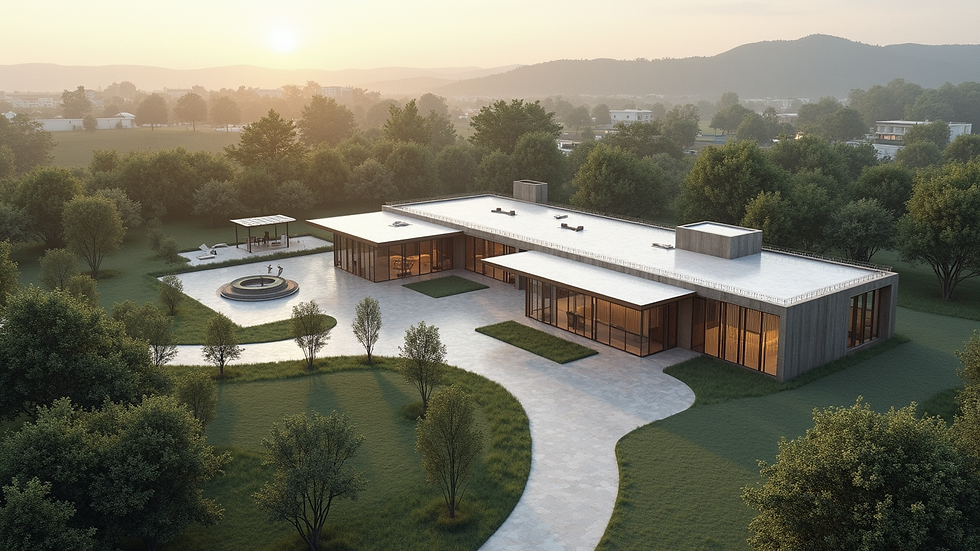
What are the regular design services of an Architectural Designer?
Architectural designers (like architects) provide a range of services that cover every phase of a project. Understanding these helps you know what to expect and how to engage effectively. Here are the typical services I offer:
Feasibility Studies: Assessing if a project is viable on a given site.
Concept Design: Creating initial sketches and ideas.
Planning Applications: Preparing documents to secure local authority approval.
Detailed Design and Specifications: Developing comprehensive plans and material lists.
Tendering and Contractor Selection: Helping clients choose the right builders.
Construction Supervision: Overseeing the build to ensure quality and adherence to plans.
Post-Completion Services: Addressing any issues after the project finishes.
Each service aligns with the architectural design principles. For example, during concept design, I focus on balance and proportion to create a strong foundation. In construction supervision, I ensure the rhythm and unity of the design are maintained.
Engaging with professional architectural design services ensures your project benefits from expert guidance at every stage. This reduces risks and enhances the final outcome.

Practical Tips for Homeowners and Developers
When planning a new build or renovation, keep these tips in mind to apply architectural design principles effectively:
Prioritise Natural Light: Position windows and openings to maximise daylight. This improves mood and reduces energy costs.
Consider Flow and Function: Design spaces that support how you live or work. Avoid awkward layouts or wasted areas.
Use Local Materials: They blend with the environment and often reduce costs.
Plan for Flexibility: Spaces should adapt to changing needs over time.
Focus on Sustainability: Incorporate energy-efficient systems and eco-friendly materials.
For example, a developer in Wiltshire might choose reclaimed timber and stone to reflect local heritage. A homeowner in Somerset could design an open-plan kitchen and living area that flows naturally to a garden terrace, emphasising rhythm and unity.
These practical steps help you create spaces that are both beautiful and functional. They also increase property value and long-term satisfaction.
Embracing Architectural Design Principles for Lasting Impact
Mastering architectural design principles transforms ordinary buildings into inspiring places. I see every project as an opportunity to blend creativity with purpose. By focusing on balance, proportion, rhythm, emphasis, and unity, I deliver designs that stand the test of time.
Whether you seek a classic country home or a sleek modern office, these principles guide every decision. They ensure your space motivates and supports your lifestyle or business goals. Working with experienced professionals who understand these fundamentals is key.
Explore how expert architectural design services can help you realise your vision. Together, we create spaces that inspire and endure in the beautiful Somerset-Wiltshire border region.


Comments